Manhattan is the part of New York where, among concrete buildings, busy streets, and high-rise apartments, the sight of a lush green tree feels not only like beauty but also like a symbol of life. Trees in Manhattan are not just meant to provide shade or decoration; they play a very important role in cleaning the air, reducing heat, lowering noise pollution, and improving city life overall.
Due to the city’s climate, limited soil space, pollution, and heavy traffic, trees here require special care. Every tree variety differs in nature, growth pattern, and needs, which is why their care requirements are also different.
In this article, we will explain in detail the common tree type found in Manhattan and their care requirements, so that homeowners, property managers, and landscaping professionals can gain a better understanding.
Manhattan’s Urban Environment and Its Impact on Trees:
Manhattan’s urban environment is really challenging for trees. The soil here is mostly compacted, leaving very limited space for roots to spread properly. Sidewalks, underground utilities, and roads always put pressure on root systems.
In addition to this, gases released from traffic, construction dust, and winter also have negative effects on trees. Because of these elements, trees in Manhattan are not just growing but regularly struggling to survive. Care requirements focus on keeping trees tension-free, maintaining healthy roots, and guaranteeing balanced growth.
London Plane Tree and Its Care Requirements:
The London Plane Tree is one of the most common and recognizable trees in Manhattan. This tree is very famous in urban areas because of its strong nature and high tolerance for pollution. Its skin has a patchy look and peels over time, which is actually a natural way of protecting the tree from pollution and diseases.
London Plane Trees require regular watering, especially during their early stage. Once mature, they can tolerate dryness, but additional watering during hot summers is still useful for their health.
Trimming is very important for this tree to balance the weight of heavy branches and stop damage during storms. Leaf litter management is also required because the fallen leaves in autumn can block sidewalks and drainage systems.
Ginkgo Tree and Its Special Care Needs:
The Ginkgo Tree is a rare kind that is commonly seen on the streets and in parks of Manhattan. It is highly appreciated for its unique fan-shaped leaves and bright yellow fall color. Ginkgo trees are very immune to pollution, pests, and diseases, making them ideal for urban environments. Their care is relatively simple, but special attention must be provided to soil drainage.
Waterlogging can be harmful to Ginkgo roots. This tree does not require heavy trimming; removing dead or weak branches is commonly acceptable. Female Ginkgo trees produce fruits with an unpleasant smell, which is why male trees are mostly planted in Manhattan, as they are also easier to maintain.
Honey Locust Tree and Its Role in Urban Landscaping:
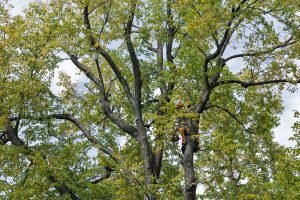
The Honey Locust Tree is famous in Manhattan because it provides light, filtered shade that is also useful for grass and other plants. Its leaves are small and airy, which results in less mess on sidewalks. The Honey Locust tree is rust-immune and can grow well in solid soil, which is a main benefit in a city like Manhattan.
The most important aspect of its care is basic trimming to guarantee branch shape and stop weak joints from developing. Proper trimming at an early stage can greatly reduce future problems. Regular surveys are also important, as some varieties can be sensitive to insects.
Red Maple Tree and Seasonal Care:
The Red Maple Tree is commonly found in Manhattan’s parks and near housing areas due to its fast growth and beautiful red leaves in the fall. This tree prefers moist conditions, so regular watering is important, especially during dry periods. Slightly acidic soil is ideal for Red Maples.
Urban stress elements such as road salt and pollution can negatively affect this tree, which is why soil flushing and mulching after winter are very helpful. Trimming should be limited and the best time for trimming is late winter or early spring when sap flow is low. With proper care, the Red Maple can greatly improve Manhattan’s landscape.
Oak Trees and Their Long-Lasting Care Strategy:
Oak trees are less common in Manhattan, but they are very important. They grow slowly but have very long lives. During their early years, Oak trees need special care to develop a strong root system. Deep watering is important so that roots grow underneath rather than spreading near the surface.
Oak trees do not like regular trimming; only required cuts and deadwood removal are acceptable. Soil compaction is very harmful to Oak trees, so controlling foot traffic around them and applying mulch is very important. Oaks also provide important environmental benefits, as they provide habitat and food for wildlife.
Callery Pear Tree and Maintenance Challenges:
The Callery Pear Tree was once largely planted in Manhattan because of its fast growth and attractive white spring flowers. Still, over time, its basic weaknesses became clear. The branches of this tree grow at narrow angles, making them prone to breaking during storms.
Therefore, regular trimming is important for its care. Proper training during the early years can reduce the danger of future breakage. While the Callery Pear can tolerate pollution, compact soil, and water stress can affect its health. Consistent care and monitoring are required to maintain this tree.
Tree Roots and Sidewalk Management in Manhattan:
Tree care in Manhattan is not limited to aboveground parts; root management is equally important. In urban areas, roots commonly lift sidewalks, creating safety risks. The solution to this problem is not simply cutting the roots, as that can compromise the tree’s stability.
Expert gardeners use methods such as soil aeration, root barriers, and flexible footpath solutions to protect trees and structures. Healthy roots lead to healthy trees, so underground care should never be ignored.
Seasonal Tree Care According to Manhattan’s Climate:
Manhattan’s climate includes four clear seasons, each with different care demands for trees. In spring, fertilization and surveys are important along with new growth. In summer, watering and mulching help protect trees from heat and drought stress.
In the fall, leaf management and light trimming are commonly done, while winter is the time for heavier trimming and structural work. Protective measures against road salt are also part of winter care. This seasonal care cycle guarantees the long-lasting health and safety of trees.
Importance of Expert Gardeners in Manhattan:
Tree care in a city like Manhattan is not a simple plan. The rules, permits, and safety concerns are very strict. Expert gardeners not only have technical skills but also understand local regulations. They create care plans based on the special needs of every tree species.
Regular surveys help identify potential risks early, avoiding property damage and injuries. That is why hiring skilled help for tree care in Manhattan is a smart and responsible decision.
Conclusion:
Trees are the soul of Manhattan, bringing life and balance to the concrete jungle. Common tree types such as London Plane, Ginkgo, Honey Locust, Red Maple, Oak, and Callery Pear all contribute to the city’s landscape with their own unique qualities and challenges.
Caring for these trees goes far beyond watering and trimming; it involves soil health, root management, seasonal care, and expert supervision as part of a complete method. When trees are cared for according to their natural characteristics and requirements, they not only live longer but also provide cleaner air, shade, and beauty for the city.
Caring for Manhattan’s trees is really caring for Manhattan’s future, and it is a shared responsibility to understand and protect these valuable natural assets responsibly.